
Does intensity matter
The short answer? Yes, but not in the way you might think.
If you have those days where you exercise but you’re really not feeling it, we get it. Sometimes it can feel like you’re just going through the motions, moving your body but not really getting stuck in. We say good on you for showing up. But does it matter how intense your exercise sessions are?
What is exercise intensity?
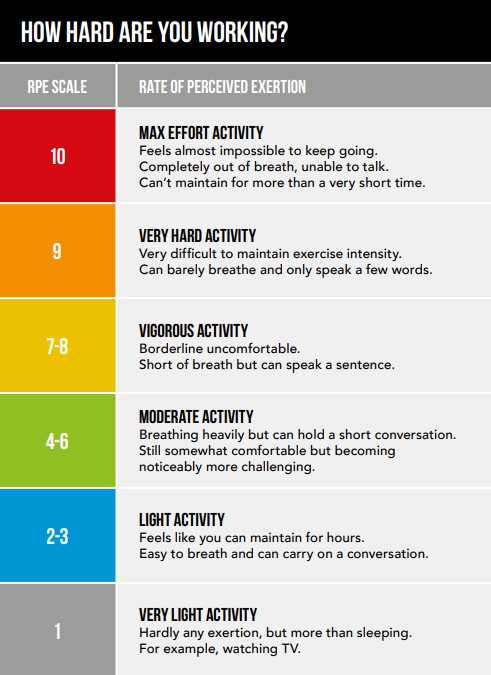
The intensity of exercise simply refers to how much energy your body is using during exercise. It’s not as technical as it sounds: think about the difference between going for a slow, ambling walk (low intensity) and running flat-out to win a race (high, or vigorous, intensity).
How is exercise intensity measured?
An easy way to measure your exercise intensity without the need for any equipment is the talk test. If you can talk but not sing while you’re exercising, it’s probably moderate intensity activity. If you can’t say more than a few words without stopping to take a breath, it’s a high intensity activity. But if you’re giving Sideshow Bob a run for his money belting out songs from H.M.S. Pinafore, it’s fair to say what you’re doing isn’t very intense at all.
Heart rates
Another way of measuring your exercise intensity is to look at your heart rate. If you’ve got a smartwatch, this’ll be pretty easy to see.
Using your heart rate as a guide can help you get more out of your exercise sessions because it’ll tell you if you’re working hard enough or pushing yourself too far.
The first thing to do is to work out your max heart rate. You can estimate this by subtracting your age from 220. Our example, let’s call him Greg, is 38, so his rough max heart rate is 182. Now you’ll need to figure out what your target heart rate should be based on what you’re looking to achieve.
- 50-60% of your max heart rate is great for beginners and will help strengthen your circulatory system.
- 60-70% of your max heart rate will help boost your fitness levels, and is the ideal range for burning fat.
- 70-80% of your max heart rate will help improve your breathing and increase your endurance. Want to improve your cardio? Try spending short bursts in this range.
- At the top end of the 80-90% range of your max heart rate, your body starts to struggle to meet its oxygen requirements. Pro athletes often train for short periods in this range to increase their top end performance.
- You shouldn’t aim to spend long periods at over 90% of your max heart rate, as it will exhaust you much quicker. It can also lead to feeling dizzy, an increase in blood pressure and even fainting, so go easy and aim for a lower intensity that’ll see you burning fat effectively without the risks.
High intensity
Exercising at high intensity has plenty of benefits: it’s great for boosting your cardiovascular fitness and can help torch calories quicker, which let’s be honest is something we all want. But it’s not for everyone. High intensity exercise is more demanding and puts more stress on the heart, so run it by a doctor if you’ve got heart problems.
Want to give it a try? Go for high intensity interval training (HIIT), where you alternate short bursts of very high intensity exercise with recovery periods of low-intensity movement.
Spending short bursts of time in a high intensity state can be great for your weight loss efforts. If you’re new to HIIT, we recommend having shorter periods of high intensity paired with longer periods of rest. For example, 20 seconds of high intensity followed by 40 seconds of rest for 5 minutes.
Medium intensity
This is the sweet spot. To improve your cardiovascular fitness, aim to work towards keeping your heart rate in the mid-range, e.g. 60-80% of your max heart rate. Anything that gets you out of breath but still able to string a sentence or two together is what you’re looking for, so lifting weights, running and fast walking are ideal.
Low intensity
A lot of good can come from incorporating low-intensity exercise into your routine. Simple exercises like walking, gentle swimming and slow bike rides are great ways of getting active without putting too much stress on your body. You can start slow and gradually increase intensity, or use low intensity exercise as a way of helping your body recover after more intense exercise sessions.
Putting it into practice
Learning how to make your heart rate work for you will greatly benefit your fitness levels. Government guidelines state that we should be getting 150 minutes of moderate activity a week, or 75 minutes of vigorous exercise. What could that look like in real life?
Monday: MAN v FAT session
Tuesday: Lift weights at the gym
Wednesday: Rest day. Go for a light walk.
Thursday: 30-minute run, cycle or swim, aiming for mid intensity.
Friday: A high intensity circuit or spin class
Saturday: Rest day. Go for a walk with family or friends.
Sunday: Short weights session.
Above all, listen to your body when exercising. If what you’re doing feels like it’s not challenging you enough, ramp up the intensity. Similarly, if you feel like you’re working too hard, it’s ok to lower the intensity until you find a pace that suits you better.