Category: Weekly Articles

Maintaining good form while exercising

You might think you’re doing amazingly by starting to exercise, but if you’re not doing it right you could be doing more harm than good.

It’s true that anything that gets your heart rate up is a good workout. But when it comes to bodyweight exercises, you’ve also got to make sure that you’re working out with good form.  

What is ‘good form’?

Good form doesn’t mean that you have to do things perfectly, or with a professional athlete’s skill. It just means using the right technique for each exercise you do and getting your body in the right positions, allowing you to fully reap the rewards of exercise. 

What are the benefits of good form?  

It’s mainly about preventing injury. Using your body improperly can put unwanted stress on muscles and joints and lead to all sorts of injuries that can put you out of action for weeks or months at a time.  

Maintaining good form also means you’ll have proper control over your body while performing bodyweight exercises, so you won’t feel quite as undignified while you get to grips with doing something new.  

What happens if you’re not doing it right?

Well, you definitely increase your chances of seriously injuring yourself, when you should take every step to avoid that for obvious reasons. Bodyweight exercises are a safe and very effective way of exercising, but only if you do it right. 

Doing weight exercises incorrectly can also hamper your progress as you won’t be exercising your muscles as well as you could be. You might think you’re better at it than you actually are, which could lead you to increase the intensity or weight and run the risk of even more injury.  

Basically, it’s a no-win situation even if you’re lucky enough not to injure yourself. 

Examples of good form

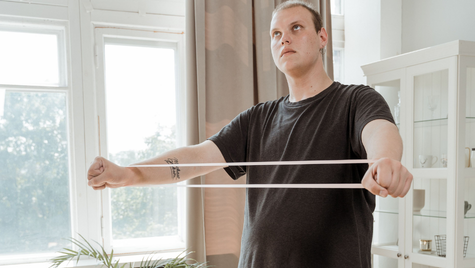
Good form differs depending on the exercise you’re doing, and it can also look different for different people. An example of good form is maintaining good posture – stand up straight (think: shooting people in the head with lasers out of your chest), don’t hunch your shoulders and keep your head level. 

When squatting, for example, you’ll want to make sure your back is straight, your head is level and your knees don’t extend beyond your toes.  

How to tell if you’re doing it right 

Take a look at yourself performing the exercise in a mirror, if you can. Find instructional videos from personal trainers online, or if you’re at a gym see if you can get one of the personal trainers there to give you feedback on how you’re doing. 

Pay close attention to the specifics of each exercise and do your best to mimic them. It can be hard to critique our performances because you might feel like you’re doing it perfectly well, so it always helps to get an extra pair of eyes to check. 


Easy ways to sit less and move more

We get it, it’s tough to go from couch potato to man of the match, and nobody expects it to happen instantly. We’ve all been there, and everyone will understand, so never feel you must push yourself. 

It’s a good idea to try and boost your activity levels little by little over the weeks, as being inactive is linked with being overweight, type 2 diabetes, some types of cancer and even early death. Here are some fail-safe ways to do just that. 

Take the stairs 

Your first instinct is to take the escalator. It’s there, it’s easy and it’s quick, so why wouldn’t you? But making the effort to climb the stairs instead can really pay off. It’s a quick burst of exercise that’s great for building your leg strength. 

Walk more

Instead of watching TV for hours on end in the evening, try going for a walk, even if it is a short one around the block. Go with a mate and debrief together over your last match, or spend some quality time with Spotify as you walk. Either way, even if you’re only out for half an hour, it breaks up the evening and means you get some much-needed activity in. 

Park further away or…ditch the car

A parking spot right outside the shop is the holy grail, but parking further away will ensure that you’re forced to get in a little exercise. Plus you won’t get caught up in the frustrations of trying to beat other drivers to that perfect spot. 

Get used to making walking your first mode of transport wherever possible. If it’s a 5-minute drive away, ask yourself if you really need to take the car. Of course, there will be times when it’s not practical to walk, but if you’ve got time to spare and it’s not raining cats and dogs, try and walk it. 

Get up, stand up

Sitting too much is bad for our health, and studies have repeatedly shown that sitting or lying for too long can damage our hearts, make us more prone to dementia and increase our risk of developing type 2 diabetes. 

The NHS says that many adults in the UK spend 9 hours a day sitting down, which is a lot. 

The UK Chief Medical Officers recommend that you should regularly break up lengthy periods of sitting by getting active for 1-2 minutes. And no matter how unfit we are, we can all get up and move for a max of 2 minutes, right?! How about a walk upstairs, a set of squats, or even consider using a standing desk? 

Get an activity watch

If you’re a competitive sort or motivated by stats, you can boost your activity levels by investing in an activity watch to track your steps over the day. The general recommendation is that we aim for 10,000 steps a day, but any increase in your current activity levels is worth celebrating. Think about getting a watch to take note, or health apps can now do the same job on your mobile.

Don’t think of getting active as an all-or-nothing thing. You don’t need to suddenly start working out for hours on end. It’s unrealistic and if you’re very unfit you could do more damage than good. Start small and make easy-to-maintain lifestyle changes and you’ll be surprised at how much it can improve your fitness. 


WTF Is sleep hygiene?

We need sleep for our body to restore and repair, as well as it being vital for our brains and mental health. The (not so) secret to good sleep? Good sleep hygiene. 

Sleep hygiene is a term used to describe your practices and routines around sleep. It includes your sleeping environment, daily routines, and general attitude to sleep. 

You can improve your sleep hygiene by setting up good habits that promote consistent, restful sleep. 

On average, we need around 7-8 hours of sleep a night. Factoring in the time it takes to drift off, this means you should aim to carve out 8-9 hours to get a full night’s sleep.  

Here’s some tips on how to use the concept of sleep hygiene to sleep well.  

Wind down well

Look at what’s going on before you drift off. Is it too stimulating? Is it calming? Are you scrolling through your Instagram or Facebook feeds until the early hours? Making small changes like leaving your phone out of the bedroom, having a bath before bed or leaving serious (and often stressful) discussions about finances to earlier in the day can aid more restful sleep.  

Set up your sleep environment

It’s not always possible but aim to make your bedroom a space where you can leave your busy life at the door and retreat for optimum sleep. Switch off screens as phones, tablets and laptops emit blue light which is stimulating and disrupts your circadian rhythm. If space is a problem, try and change the space from day to night mode by changing the throw on the bed or using a lamp at night only. 

Use a sleep diary

If you’re finding it difficult to get a good night’s sleep, it might help to keep a sleep diary. Make a note of when you feel sleepy and awake to help you identify your natural circadian rhythm or body clock. You can also start to identify patterns and triggers that lead to poor sleep, like particular foods, working out too close to bedtime or room temperature. 

It can be incredibly frustrating when try as you might, you can’t get a good night’s sleep. Changing your lifestyle and setting good habits can be ways of helping yourself get the sleep you need. 


8 easy ways to pump up your protein

Reducing calories isn’t easy, especially in those moments where you feel like eating everything in sight. This is where protein becomes your best friend: it can help make you feel fuller for longer. Here’s how you can pump up the protein in your diet.

Eggs

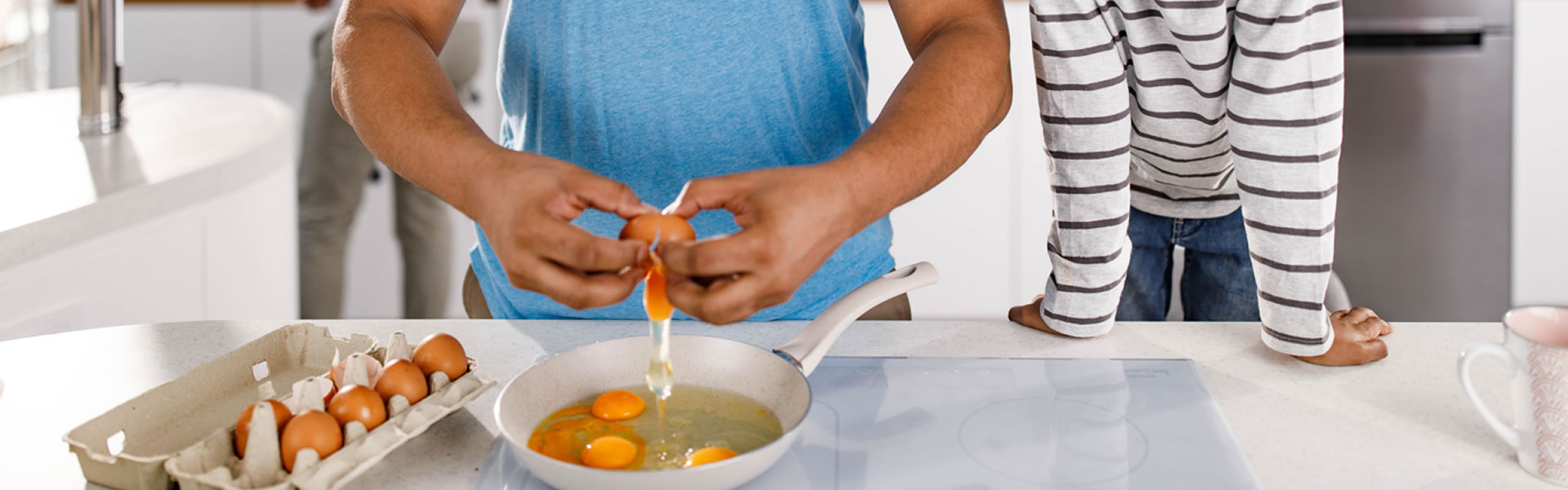
Eggs are a really versatile way of sneaking a bit more protein into your diet. Fried, scrambled, poached, turned into an omelette or a frittata, or even hard boiled and eaten as a portable snack – eggs are a great source of protein, with a large egg containing 7.5g and 75 calories.  

Eggs are also rich in vitamins D, E, K, B6 and B12, so load up and forgo the multivitamin. 

Tofu

You may think tofu is bland, spongy and firmly reserved for veggies and vegans, but think again. Tofu is a flavour vehicle, and it soaks up whatever you throw at it. 

It can be a really tasty, protein-rich alternative to meat. It has 118 calories and 12.5g protein per 100g, and there’s so much you can do with it. 

Chicken

Ah yes, where would we be without the humble chicken breast? From bodybuilders who eat 72 of them a day to your average Joe who relies on them as a quick weekday meal staple, we’ve got a lotta love for chicken breasts. And with 24g of protein for 100g (which is more or less your average chicken breast), who can blame us? 

Greek yoghurt

Greek yoghurt is another of those things that seems kinda boring if you’ve only ever spooned it from the tub. It’s tangy, thick and unless you sweeten it it’s probably not what you were looking for when you attacked the tub (it’s nothing like a Muller Corner. Boo). 

But with a bit of thought, you can transform Greek yogurt into a delicious dessert or add it to meals for a bit of creaminess. 

Buy Greek yogurt, not Greek-style, for the good stuff (can’t go wrong with Fage). The classic stuff is 93 cals for 100g, with 9g of protein. 

You can also get 0% varieties which contain no fat, and surprisingly Fage’s 0% variety contains more protein – 54 calories with 10.3g protein. 

Beef jerky

Beef jerky is a solid snack to have on hand as it’s fairly low in calories and can pack a hefty protein punch. There are also many different flavours available, and if you’re feeling fancy, you can branch out from beef and go for salmon jerky, veggie jerky and even reindeer jerky.  

A 40g packet of Tesco beef jerky has 13.4g protein, with 114 calories. 

The downside to jerky is that it’s expensive, with one pack of Wild West beef jerky retailing for £2.99. Yikes. 

Red lentils

You might have passed red lentils in the supermarket without a second thought, but these little pulses are definitely worth adding to your trolley.  

They’re brilliant at bulking up meals, and with 7.3g of protein and 93 calories in 100g (which is loads), they certainly hold their own nutritionally. 

Salmon

Do you eat enough oily fish? The NHS recommends that we get at least one portion of oily fish a week as they’re high in a whole host of vitamins and minerals, including omega 3, which helps to keep your heart healthy. 

Salmon is an oily fish that is also high in protein, so perfect for upping your protein intake while also getting the other benefits salmon brings. 

For 100g (around an average salmon fillet) it’s 209 calories and 25g protein, and there’s a lot you can do with salmon as the star of the show. 

Almonds 

Almonds are another great snack to have on standby, and they’re surprisingly high in protein. A 30g handful will set you back 182 calories and will provide 7.9g of protein.  

While they’re delicious eaten as a snack, there’s a lot you can do with them to incorporate them into your meals too to add a welcome crunch.  


Healthier drinks when you’re watching the game

Kick off’s coming and you’re in need of refreshment, so what are you going for?

A beer might be the customary accompaniment to watching the football, but if you’re watching your alcohol intake or simply don’t fancy a pint, here are some ideas for healthier alternatives.

Non-alcoholic beer

We understand if you’re hesitant about trying non-alcoholic or low-alcohol beer, but they’re honestly not as bad as they used to be. Loads of brands make low-alcohol varieties and you’re bound to find something that’ll satisfy your tastebuds without the hangover.

They can be lower in calories too, for example a 330ml bottle of Peroni clocks in at 136 calories and its non-alcoholic counterpart, Peroni Nastro Azzurro 0.0%, has 72 calories. A 440ml can of Carlsberg is 136 calories, and their 0.0 version (which comes as a 330ml bottle) clocks in at 63 cals.

A can of fizz

Alright so we’re playing fast and loose with the term ‘healthier’ here, but sometimes only something fizzy will do. It goes without saying that diet or ‘zero’ versions of soda are probably the better choice as they’re sugar-free and very low in cals (a can of Pepsi Max, for example, has 1 calorie).

Water

You read that right. It’s boring but you need to drink more water, so get some in the fridge in advance and enjoy a crisp and refreshing glass of water. Add sugar-free squash if you must or go fancy with a slice of cucumber or lemon.

Coconut water

Coconut water had a bit of a moment a few years ago thanks to its health benefits – namely that it’s full of minerals and electrolytes and can help manage blood sugar levels. You can find it in chillers at the supermarket, and if it’s a hit it can be a nice alternative to water. 100ml of ready to drink coconut water is around 18 calories, with 4g of sugar.

A cuppa

There’s no occasion that isn’t improved with a nice cup of tea in our humble opinion, so stick the kettle on before kick-off and enjoy. Both tea and coffee count towards your hydration goals (which should be to drink around 8 glasses of fluid a day), just lay off the coffee when it’s close to bedtime.

Black tea and coffee have a grand total of around 2 calories per cup, it’s the milk and sugar you’ve got to look out for. 200ml semi skimmed milk is 100 cals, and a teaspoon of sugar is 16 cals.

Alcohol

If you’re watching the game at a pub and are really keen on having an alcoholic drink, but you’re looking to save calories, skip the beer and go for vodka and Diet Coke (a 25ml single shot of vodka is around 54 calories), or a gin and slimline tonic (a single measure of gin is around 52 calories and a 150ml serving of slimline tonic is around 3 calories).

The other thing to watch out for is how much you drink. If a Diet Coke and vodka is only 54 calories, that’s good news for your calorie count for the day…but that soon adds up if you have more than one.


The power of protein

You’ve probably heard the buzz around protein, but why is it so important?

Worrying about your protein intake used to be something reserved for the most dedicated of bodybuilders, who knew that eating enough protein is essential for building show-stopping muscles.

But keeping up with your protein needs has since moved into the mainstream as we’ve all realised that getting enough not only helps support muscle growth, but it also makes eating well feel like less of a chore.

What does protein do?

Protein is essential for every cell in the body. It helps to build and repair muscle, cells, and tissue, and it’s so effective that it’s commonly known as the ‘building blocks’ of the body.

But it does much more than that. Protein plays a part in strengthening your immune system, transporting oxygen from the lungs to the rest of the body, helping cells communicate, and it even helps give your hair, nails, and skin a protective barrier.

In short, protein helps to keep our bodies functioning. A lack of protein can lead to muscle loss, fatigue, and weakness, although it’s incredibly rare to become protein deficient in developed countries.

How does protein help with weight loss?

Increasing how much protein you eat is a fantastic way to encourage weight loss. It helps you to feel fuller for longer, because protein-rich foods are digested slower than carbohydrates. This can help you to eat less, as when you’re feeling satisfied, you’re much less likely to overeat or seek out unhealthy snacks.

Protein helps to preserve your muscle mass while you lose fat, which boosts your metabolism as your muscles continue to burn calories even when you’re at rest.

How much protein do I need?

How much protein you need varies from person to person and depends on how old you are, how tall you are, how much you weigh, and how active you are. In general, you should aim to get at least 0.75g of protein per kg of bodyweight, but if you’re trying to lose weight it’s a good idea to increase this to around 1.2g – 1.8g of protein per kg of bodyweight.

For example, if you weigh 110kg, you might aim to eat 132g of protein a day.

Sources of protein

Aim to include a source of protein in every meal. Good sources of protein include:

  • Lean meats, like chicken and turkey
  • Seafood, like tuna, salmon, and mackerel
  • Eggs
  • Dairy products, like Greek yoghurt, cheese
  • Legumes, like edamame (soybeans), lentils, borlotti beans
  • Tofu and tempeh
  • Nuts and seeds, like hemp seeds, pumpkin seeds, peanuts, and almonds

You can also buy protein-enriched foods, including (but not limited to!) shakes, bars, pancakes, brownies, and cookies. You don’t need to eat any of these to get enough protein in your diet, but if you feel like you need a boost (perhaps after a particularly tough workout), be sure to check the label as many of these packaged foods are surprisingly high in calories, fat, and salt.

A good way to ensure you’re getting enough protein is to make sure you’re eating a wide variety of food. Don’t just stick to your usual meals – challenge yourself to make a meal with a vegetarian source of protein, or snack on nuts and seeds.


Getting ready for a new season

A new season of MAN v FAT Football is just around the corner, and whether you’re a seasoned pro or a newcomer, there are a few ways you can prepare for a shiny new season to hit the ground running.

Re-evaluate your goals

It’s a good idea to revisit your goals every now and then, and at the start of a new season is a great time to do this. Figure out a realistic weight loss goal for the season, considering where you are now, and what challenges you can foresee over the duration of the next season (for example, if you have any holidays booked).

Don’t just set goals for how much weight you want to lose – think about setting yourself a fitness challenge for something to work towards.

Think about nutrition

The best way of giving yourself a head start at the start of the season is to make sure your diet is as healthy and balanced as it can be.

Get into the habit of boosting your meals with plenty of vegetables and lean protein and focus on staying hydrated by drinking water steadily throughout the day. Doing this will help you optimize your performance on the pitch when the time comes.

Pre-season training

It’s not essential but getting into the football mindset before your games kick off can go a long way to boosting your performance on the field.

Start incorporating activities like running, swimming or cycling into your routine to boost your endurance and cardio fitness, and think about doing football-specific drills, focusing on boosting your speed, coordination, and upper body strength.

Rest and recovery

Aim for 7-9 hours of quality sleep a night to allow your body to recover and repair. You’ll want to arrive at your club nights feeling well rested and ready to go, and it’ll be hard to enjoy it if you’re feeling sluggish and tired.

Injury prevention

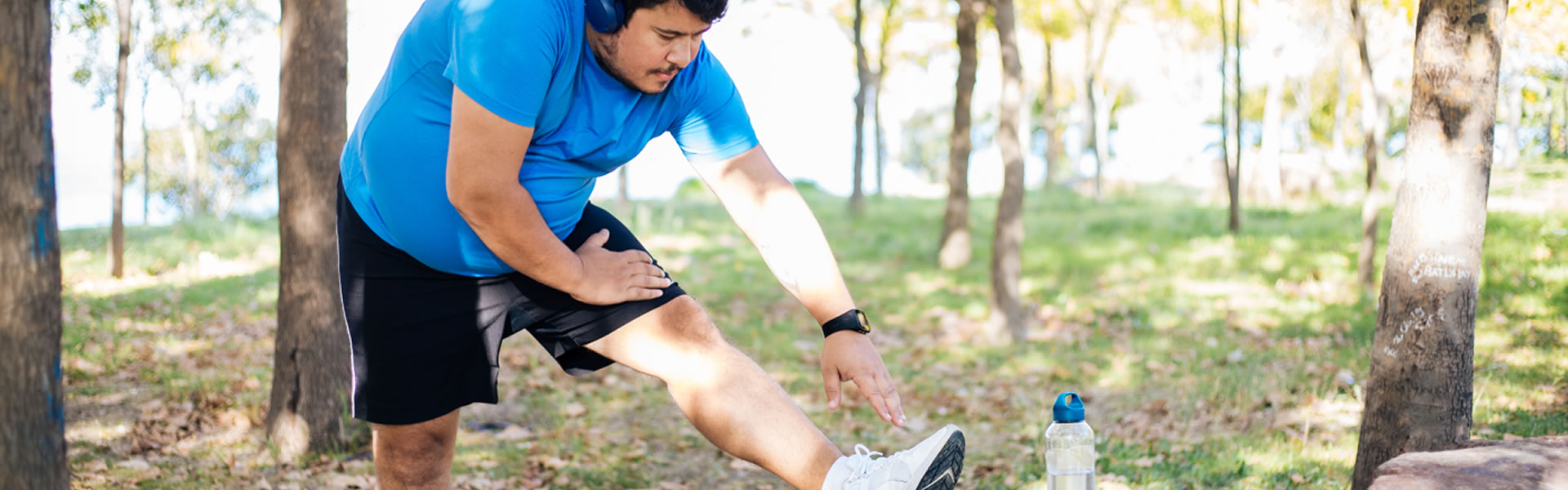
It’s always important to warm up before working out, so don’t skip the warmup. You’ll be a lot less likely to injure yourself if your body is warmed up and ready for exercise, so have a read of 5 simple dynamic warm ups to swerve injury to prepare.

Above all, try and enjoy the start of a new season! It’s great to start with a blank slate, so make the most of it by showing up, giving it your best, and enjoying it.


Beginner’s guide to meal prep

You’ve probably heard of meal prepping and how beneficial it can be when you’re trying to lose weight. It doesn’t need to be complicated or Instagram-worthy, you’ve just got to find what works for you. Here’s how.

What is meal prepping?

It’s preparing your meals ahead of time. A common time to do this is on the weekend so you’re ready for the week ahead.

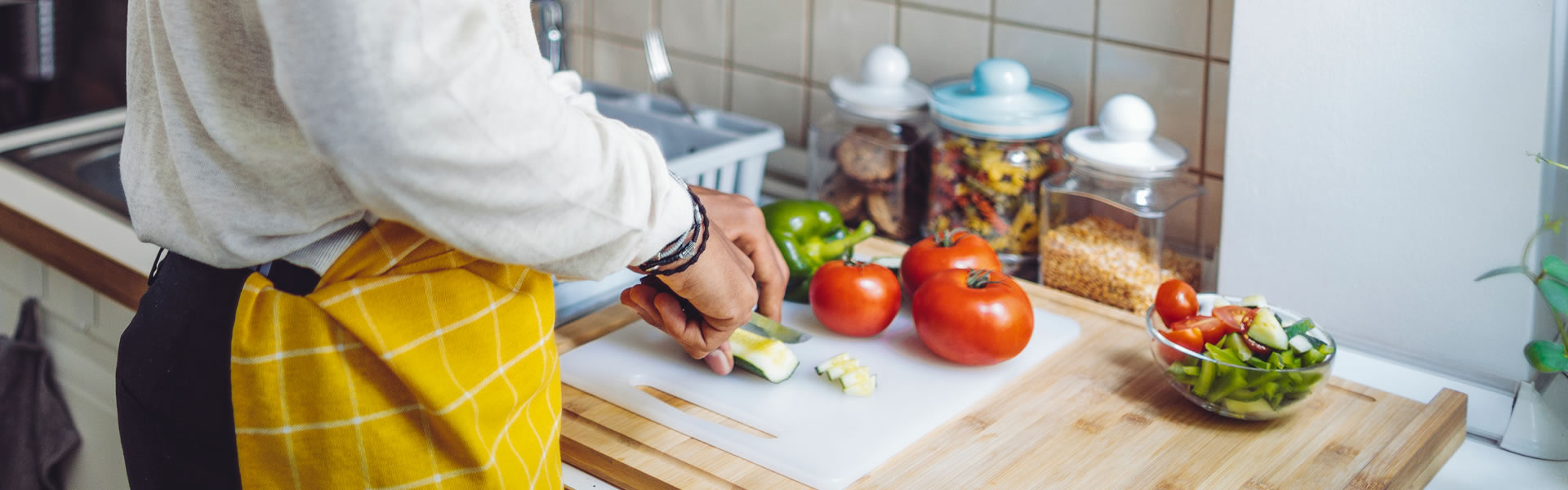
Your prep can be as simple as chopping veggies ready to add to meals or have as a snack throughout the week, or it could be grilling an entire pack of chicken breasts ready to add to meals. It could even be planning, preparing, and cooking your meals and snacks for the entire week.

Why should I do it?

By the time you get home from work at the end of the day and are feeling tired both mentally and physically, a takeaway just sounds so tempting. Does that sound familiar? No judgement if it does.

The aim of meal prepping is to make eating a healthy, balanced diet easy, so you’ve got an option ready to go that’ll help you stick to your weight loss goals.

How does it help me lose weight?

Takeaway dishes can be really high in calories thanks to cooking methods, processed ingredients, added sugar, and portion sizes. If you get into the habit of ordering a takeaway several times a week, that’s a lot of unnecessary extra calories added to your diet (and a lot of money to spend too!).

Taking the time to plan out your meals means you’re fully in control of what you eat, and you can make sure your menu for the week is tailored to your weight loss goals (calorie controlled, high in protein, etc.)

Do I have to meal prep everything?

No! Do what works for you. If you enjoy cooking to relax after work in the evening, carry on doing that. Think about what you’d like to streamline: if you know you’re short on time in the morning, focus on preparing your breakfasts in advance. But you certainly don’t have to do everything if you don’t need to.

How do I get started with meal prep?

First up, make a plan. What do you need to prepare, and for when? Are you going to go all out and try making all your meals for the week, or are you just going to focus on one thing, like prepping lunches, or making a batch of healthy snacks? Try to identify times when you feel like you need a little extra help to stay on track and start there. Figure out what’s going to work with your lifestyle, and pick foods you love to eat: this isn’t a punishment!

Isn’t it a pain in the arse?

It depends on how you look at it. It can seem like a lot of effort when in the middle of a meal prep session, surrounded by Tupperware boxes with the kitchen looking like a bomb has hit it. But that’ll soon be forgotten when you eat like a king for the rest of the week for minimal effort.

What do I need?

Time to do it.

Carve out some time to do it. Sundays are a popular time to meal prep so you can prepare for the work week ahead. If you’ve got a different working pattern, then choose a time that’ll suit you better.

A space to do it.

Before you start, make sure your kitchen is ready. It’s a lot easier to meal prep if the dishes are done and the kitchen counters are clear. The downside of meal prep is that you’re also going to be making a few days’ worth of mess when you make a few days’ worth of meals, so do your best to clean up after yourself as you go.

Something to put your meals in

People showing off their meal prep on TikTok might have fancy glass containers, but you don’t need them. Reusing old, mismatched food containers is fine – if you can find the lid, it’s good to go. Old takeaway containers are fine too but check that they’re ok to microwave.

If you’re buying new ones, things to look for are whether they’re microwave-safe, reusable, and if they’re plastic, BPA-free. Other things that can make life easier are whether they’re stackable, and if you’ve got one, suitable for the dishwasher.

An idea of what to make

The world’s your oyster when it comes to what you make for your meal prep. Think about what you enjoy eating as a starting point.

That said, there are some things that lend themselves to meal prep a little better than others. Salads that are full of leafy greens aren’t great for meal prep unless you’re eating them in the next day or two, for example.

Some things that work very well for meal prep include soups, stews, chili, oats, and curries.

Pinch of Nom, which is much-loved by MAN v FAT members, has a section for batch cooking recipes here. BBC Good Food, which is always a reliable source, has a meal prep section here, and we’re also a fan of recipe blog Beat the Budget, which has a collection of healthy, budget-friendly meal prep recipes here.


5 snacks to grab before football

Getting peckish a few hours before your game? We’ve got you covered with these 5 great choices to stave off the hunger.

There’s nothing worse than turning up to football feeling ravenous. Your body needs fuel to score those winning tries, so rather than grabbing a pack of crisps or a chocolate bar in a race to get to your club night, get your mitts on one of these snacks that your body will thank you for.

Apple and peanut butter

Simple but effective. Cut an apple into pieces and pair it peanut butter. Around 2 teaspoons or 30-35g is a great portion size to make you feel satisfied and full while keeping the calories on the lower side.

Be careful though, peanut butter can have added sugar, salt and oil so pick your brand carefully and go for one that’s purely peanuts.

Nutritional benefits:

  • Ticks off 1 of your five a day
  • Source of fibre and protein to keep you feeling full
  • Source of monounsaturated fat – the good sort of fat we need in small amounts

Banana on toast

Grab a medium sized banana, chop it up and spread it over a slice of toast. An average banana and one slice of toast keeps the calories down but again is geared to help you feel topped up. Want an even healthier option? Go for wholemeal bread.

Nutritional benefits:

  • Ticks off 1 of your five a day
  • Source of fibre (for fullness)
  • Source of potassium (for energy and endurance)

Almonds

Around 20 almonds count as a serving. Perfect snack for having on the go and the health benefits are well worth considering.

Nutritional benefits:

  • Packed with magnesium (improves exercise performance) and potassium (for energy and endurance)
  • Source of monounsaturated fat (good fats)

Hummus

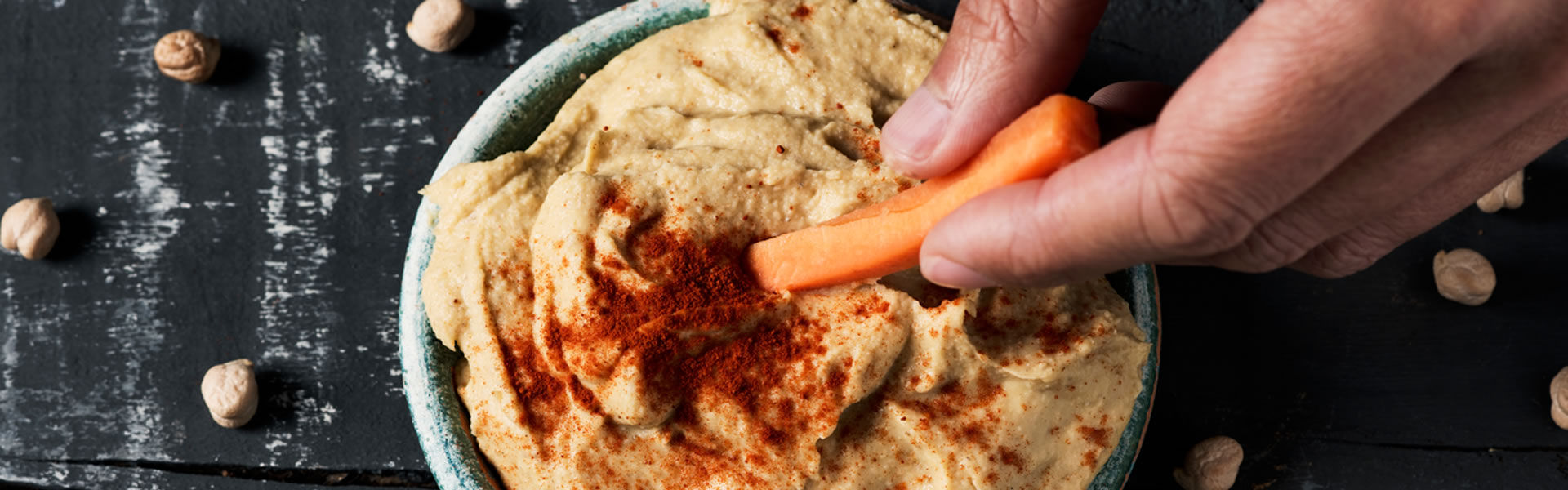
Hummus is so good, and it’s so versatile. Slice up a few raw veggies (carrots, peppers, cucumbers are all good shouts) and dip away, or pair with a few breadsticks or a toasted pita.

Nutritional benefits:

  • Source of protein (great for building muscle)
  • Source of fat (giving you energy aplenty)
  • 1 (or more) of your five a day

Protein products

Protein and exercise go hand-in-hand, and with good reason. It helps you build muscle and keeps you feeling full.

You can get protein from lots of sources, but bars, shakes, and other protein-added products can be convenient if you’re in a rush, and they can be a tasty treat too. Just be sure to check the labels as bars can be higher in sugar and calories than you’d expect.

Here are a few of our favourites and how they stack up.

  • Trek Power with Lotus Biscoff protein bars – 191 calories, 12g protein per bar.
  • Danone GetPro chocolate protein mousse – 170 calories, 20g protein per pot.
  • Arla Protein blueberry yoghurt – 142 calories, 20g protein per pot.
  • MyProtein chocolate chunk protein brownie – 284 calories, 23g protein per brownie.
  • Grenade Carb Killa chocolate chip salted caramel protein bar – 222 calories, 21g protein per bar.

Keeping your motivation high

Losing weight can be tough, we all know that. It’s so twee when people call it a weight loss ‘journey’, but that’s what it is, a long road filled with ups and downs.

It’s easy to get discouraged when things aren’t going your way, like when progress feels slow, or when setbacks happen. But keeping your motivation high is key to moving on and achieving your goals, so here’s how to keep your spirits high.

Why motivation matters

Motivation can be a fleeting thing, but it’s true that it’s a main driving force behind your weight loss. When you’re motivated, you’re much more likely to make healthy choices, stick to your workout routine, and overcome obstacles. Instead of waiting for motivation to strike, you’ve got to constantly stoke the flames if you want to get anywhere with your weight loss.

Dealing with setbacks

Everyone experiences setbacks, it’s a totally normal part of life. Whether it’s down to medical problems, family emergencies, holidays, or even simply feeling too tired to workout, it happens. But it’s important to remember that setbacks are temporary, and they don’t define you.

Bouncing back from a period of low motivation can feel difficult, but there are some things that can help:

  • Think about why you started. Yes, it’s a cliché, but thinking about what initially made you want to lose weight can help you focus again. Make a list of all the reasons you’re trying to improve your health and look at it regularly.
  • Seek support. It’s hard to do things alone, so get out of your head and talk to friends, family, and your MAN v FAT teammates.
  • Reevaluate your goals. Sometimes low motivation happens because you feel overwhelmed by your goals. If that sounds familiar, break your goals into smaller, more manageable chunks and focus on ticking them off before you think about the bigger picture.

Keeping your motivation going

It’s only natural that your motivation flags, as after all, it’s hard to maintain interest in something over a long period, especially when it involves hard work. Here are some ways you can keep giving yourself reasons to keep going:

  • Reward yourself. Weight loss can be hard, so be sure to celebrate your progress, no matter how small you think your successes are.
  • Find an accountability buddy. Having someone you can exercise with can be a huge motivator, making it more enjoyable to exercise, as well as making it less likely you’ll cancel.
  • Visualise your success. Imagine how good it’s going to feel when you achieve your weight loss goals!

Be kind to yourself

Honestly, the most important thing is that you don’t beat yourself up for finding things tough. Losing weight takes time and effort, so try not to get discouraged if you’re finding it tough. Talk to your MAN v FAT coach and teammates to get some pointers for easy wins and remember that every small change is a step in the right direction. Don’t give up.


Lose weight, Play Football

Secure your spot

MAN v FAT Football is for men with a BMI of 27.5 or over. Over 90% of players lose weight and get fitter, why not join them.

Contact

Email: football@manvfat.com

Phone: 0345 163 0042

Links

Social

© 2024 MAN v FAT Limited. All rights reserved.

Terms & Conditions  |  Feedback, Complaints & Session Cancellations  |  Privacy Policy  |  Cookie Policy

Privacy Settings
We use cookies to enhance your experience while using our website. If you are using our Services via a browser you can restrict, block or remove cookies through your web browser settings. We also use content and scripts from third parties that may use tracking technologies. You can selectively provide your consent below to allow such third party embeds. For complete information about the cookies we use, data we collect and how we process them, please check our Privacy Policy
Youtube
Consent to display content from - Youtube
Vimeo
Consent to display content from - Vimeo
Google Maps
Consent to display content from - Google