Category: Weekly Articles

WTF is cholesterol

Cholesterol. Everyone talks about it, everyone worries about it, but what the hell is it? And why should you care? Let’s break it down in plain English, no doctor-speak, no nonsense.

Cholesterol Is Fat, But You Need Some

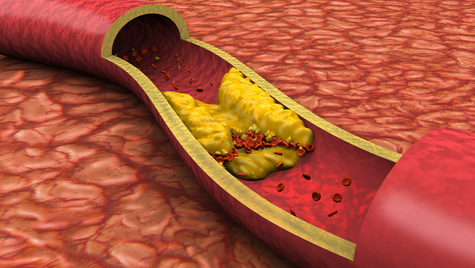
Think of cholesterol like petrol for your body. You need it to run properly, but too much of the wrong type clogs up your engine.

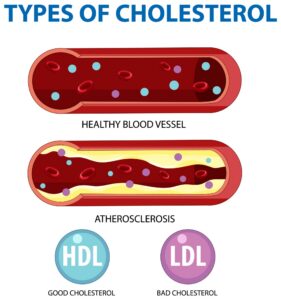
  • LDL: the bad stuff. Too much and it builds up in your arteries like sludge in pipes. Can cause heart attacks and strokes.
  • HDL: the good stuff. Think of it as the plumber, clearing out the bad stuff. The more of this you have, the better.

And there’s triglycerides, another type of fat. Too many and your risk for heart trouble goes up.
Why You Should Give a Sh*t

High cholesterol usually doesn’t make you feel sick. That’s the problem, it’s silent. You could be walking around thinking you’re fine, while your arteries are quietly getting blocked.

The only way to know is a blood test. Quick, simple, and you get the numbers that tell you what’s going on.

How To Spot Trouble

Most people won’t notice anything. But you should get checked if:

  • Heart disease runs in your family
  • You’ve got diabetes, high blood pressure, or are overweight
  • You notice chest pain, breathlessness, or extreme tiredness

How To Sort Your Cholesterol

You don’t need to live on lettuce or hit the gym like a madman. Small, smart changes make a massive difference.

  1. Eat Better
  • Cut back on fatty meat, butter, and cheese
  • Avoid fried food, pastries, and processed crap
  • Eat more fruit, veg, beans, whole grains, oily fish, nuts, and seeds

Tip: Swap butter for olive oil, white bread for wholemeal, crisps for fruit. Little changes add up.

  1. Move More

Exercise raises the good stuff and lowers the bad stuff.

  • 150 minutes a week is enough – walk, cycle, swim, football, whatever you enjoy
  • Short walks after meals count too
  1. Lose a Few Pounds

Extra weight raises bad cholesterol and lowers good cholesterol. Even 5–10% weight loss helps.

  1. Quit Smoking

If you smoke, stopping improves good cholesterol and reduces heart risk.

  1. Cut Down on Booze

A bit can help, but too much raises fats and adds calories. Stick to UK limits or take a few nights off each week.

When To See a Doctor

  • Your blood test shows high cholesterol
  • Lifestyle changes alone aren’t enough
  • You have family history or other health problems

Your GP may suggest medication, but lifestyle changes are always the first line.

Fix It Before It Fixes You

Cholesterol isn’t scary, but ignoring it is. Get tested, make small changes to your diet, move more, lose a bit of weight, quit smoking, and watch the booze.

Do that, and your heart will thank you, your energy will improve, and you’ll be in charge of your health, not your cholesterol.



5 ways to build a back that can handle anything

Let’s face it, a weak back isn’t just bad for your posture. It makes lifting the shopping bags, chasing the kids, or even standing up after a night on the sofa feel like a proper workout. Strengthening your back doesn’t have to be complicated, and you definitely don’t need to turn into a gym rat overnight. Here are 5 ways to build a stronger, more reliable back, with tweaks for doing them outside a gym.

Deadlifts – Don’t Fear the Bar

Deadlifts get a bad reputation for being complicated or dangerous, but done right, they are a back-building powerhouse. Start light, focus on your form, and work your way up. A strong back starts from the ground up, literally. Your lower back, glutes, and hamstrings will thank you.

At-home adaptation: No barbell? Grab a backpack filled with books, water jugs, or a heavy shopping bag. Stand with feet hip-width apart, keep your back straight, hinge at the hips, and lift. Even 2–3 sets of 10–12 reps will make a difference.

Pull-Ups – Let Gravity Do the Work

Pull-ups are the ultimate test of upper-body strength, but they also target the lats, traps, and shoulders. Can’t do one yet? No sweat. Use a resistance band or an assisted pull-up machine until you can do them unassisted. Your back width will improve, and your posture will stop looking like Quasimodo.

At-home adaptation: No gym bar? A sturdy tree branch, playground monkey bars, or a door-mounted pull-up bar works perfectly. If a full pull-up is too tough, try negatives. Jump up to the top position and slowly lower yourself down. Even a few reps will help.

Planks – Simple but Brutal

Planks aren’t flashy, but they work. A strong core supports your back, reducing strain and injury risk. Hold a plank on your elbows, keep your body straight, and squeeze your glutes and abs. Start with 30 seconds, work up to a few minutes, and you will feel the difference. Bonus: no equipment needed.

At-home adaptation: Planks are perfect for home use. Mix it up with side planks, reverse planks, or plank walks. Do them on carpet or a mat for comfort.

Rows – Pull It Together

Whether it’s a barbell row, dumbbell row, or cable row, this exercise strengthens the middle of your back. Focus on controlled movements, squeezing your shoulder blades together, and keeping your torso stable. This will help your posture and make slouching a thing of the past.

At-home adaptation: No weights? Fill a backpack with books or water bottles. Lean forward slightly, keep your back straight, and pull the bag towards your chest like a row. You can also use resistance bands tied to a door handle for a smooth pulling motion.

Stretch and Mobilise – Don’t Ignore Flexibility

A strong back is useless if it is stiff. Stretching and mobility exercises prevent injury, improve posture, and make your strength training more effective. Think cat-cow stretches, cobra pose, or simple yoga moves. Your back will stay flexible and happy.

At-home adaptation: No fancy equipment needed. Use a yoga mat or even a carpeted floor. Try lying twists, hamstring stretches, and shoulder rolls. Aim for 5–10 minutes daily to keep your back loose and mobile.

Strong Back, Strong Life

Building a strong back isn’t just about looking good. It is about feeling good, moving better, and avoiding injuries that slow you down. Commit to these 5 strategies, stay consistent, and you will notice your back getting stronger week by week. Soon, lifting, bending, and even standing tall will feel effortless, with no gym required.


7 ways to improve snoring

Let’s be honest, snoring isn’t exactly a badge of honour. Your missus isn’t keeping score, your mates definitely aren’t jealous, and your dog… well, your dog just sighs and rolls over. If your snoring could double as a power tool, it might be time to do something about it. Luckily, there are ways to quieten the nighttime noise without needing surgery or a lifetime supply of nasal strips.

Lose a Bit of the Luggage

Here’s the blunt truth: extra weight, especially around the neck, makes your airway narrower and turns your sleep into a full-on foghorn session. Even losing a few pounds can make a serious difference. Hit the gym, move more, and watch your snoring drop in volume as your belly does the same.

Sleep on Your Side (Not Your Back)

Back sleepers beware. Lying flat on your back lets your tongue and soft palate flop around, creating the snore symphony. Try sleeping on your side instead. If you keep rolling onto your back, pop a tennis ball in the back of your pyjamas. It’s old-school but surprisingly effective.

Ditch the Booze Before Bed

A cheeky pint or two is fine during the evening, but alcohol relaxes your throat muscles, making them vibrate like a drum kit when you sleep. If you want your bed to stay a snore-free zone, cut booze a few hours before hitting the sack. Your partner will thank you.

Clear Your Airways

Blocked noses equal snoring that could wake the dead. Keep the nasal passages clear with a saline spray or steam before bed. And if allergies are your culprit, consider an air purifier or antihistamine. Breathing freely is key to snoring less.

Strengthen the Muscles That Matter

Yes, your throat muscles can be trained. Weird, but true. Singing loudly in the shower, doing tongue exercises, or even using certain apps designed to strengthen airway muscles can reduce snoring. Think of it as a workout for your throat.

Upgrade Your Pillow Game

Sometimes it’s as simple as changing your pillow. A pillow that keeps your head aligned can prevent airway blockage and keep the snoring volume down. Memory foam or anti-snore pillows are worth a look.

Know When to Call the Pros

If your snoring is loud enough to scare the neighbours or you feel exhausted despite a full night’s sleep, it might be sleep apnoea, a serious condition. Don’t mess about. See a doctor. There’s help, and it could change your life and your partner’s sleep schedule.

Quiet Nights Are Within Your Reach

Snoring might be a natural part of being a bloke, but it doesn’t have to wreck your nights. Drop a few pounds, tweak your sleeping position, and take care of your airways. With a few changes, you could finally sleep through the night without your own chainsaw waking everyone up. Your bedmates will thank you, and you might even wake up feeling like a proper human instead of a zombie.


How to have a healthier BBQ

Good food, good company and a barbecue in the garden. What’s not to love? Even if the British weather doesn’t always play along, getting your mates together for a barbecue is a great way to catch up, relax and enjoy some tasty food.

And the good news? You don’t have to choose between enjoying yourself and working towards your health and weight loss goals. With a few simple choices, you can have a great time without feeling like you’ve thrown all your hard work out of the window.

Don’t save all your treats for one day

It’s easy to fall into the trap of eating less before a big meal because you know there’s a barbecue coming up. But there’s no need to skip meals or try to make up for what you plan to eat later.

Instead, stick to your usual routine as much as possible. Eating regular, satisfying meals throughout the day can help you arrive at the barbecue feeling comfortable rather than absolutely starving.

Remember, your progress comes from the habits you build over time, not from getting every single meal right. One afternoon of enjoying yourself doesn’t undo weeks of consistent effort.

Get some fresh air

Keeping active is about building habits you can maintain, not squeezing in exercise whenever you think you’ve eaten too much.

A walk, a bike ride or a run can be a brilliant way to spend some time outdoors. You’ll get some fresh air, move your body and have a bit of time to yourself before the festivities begin.

There’s no need to fit in a workout specifically to compensate for your barbecue, though. If you’d rather relax or spend time with friends and family, that’s fine too. Just pick up your usual routine when it suits you.

Build a plate you can enjoy

A barbecue doesn’t have to mean choosing between food you love and food that supports your goals.

Enjoy the things you’re looking forward to, whether that’s a burger, grilled chicken or something plant-based. You can also add plenty of colourful vegetables, salad or corn on the cob to make your plate more varied and satisfying.

If you’re looking for a few ideas to mix things up, try:

  • Chicken skewers with peppers and onions.
  • Prawns with lemon and herbs.
  • Grilled vegetable skewers with courgettes, tomatoes and peppers.
  • Corn on the cob alongside your favourite barbecue main.
  • A big mixed salad with a dressing you enjoy.

You don’t need to avoid traditional barbecue favourites, either. The aim is to find a balance that works for you, rather than turning a social occasion into a list of foods you’re not allowed to eat.

Keep strength training in your routine

Strength training can be a useful part of a balanced fitness routine, helping you build strength and support your everyday activities.

If you’ve got time for a session, great. If not, there’s no need to squeeze one in just because you’re planning a bigger meal.

Try to focus on building a routine that fits around your life. That might mean a gym session, a short home workout or simply getting out for a walk.

Exercise isn’t something you need to earn your food with. It’s one of the ways you can look after yourself while still making room for the things you enjoy.

Be mindful of your drinks

For many people, a barbecue includes a drink or two. If you’re drinking alcohol, a little planning can help you enjoy the occasion while keeping an eye on how much you’re having.

A few simple things to try:

  • Alternate alcoholic drinks with water or another non-alcoholic option.
  • Have a glass of water available throughout the afternoon.
  • Choose smaller servings or lower-strength options if that suits you.
  • Don’t feel you have to drink just because everyone else does.
  • Try alcohol-free beer, sparkling water with fresh fruit or another drink you enjoy.

It’s also worth remembering that alcoholic drinks can add up over a long afternoon, particularly when you’re topping up without thinking. Setting yourself a limit beforehand can help you stick to what feels right for you.

And if you do drink, don’t drive. If you’ve had a late night, prioritise rest and hydration rather than forcing yourself through a tough workout the next morning.

Don’t forget the extras

It’s easy to overlook the little additions when you’re putting together a barbecue plate. Sauces, dressings, dips and sides can all contribute to your overall intake, but that doesn’t mean you need to cut them out.

Instead, be a little more intentional about what you’re adding. Try serving sauces on the side, choosing the ones you genuinely enjoy and adding a portion of salad or vegetables alongside your other favourites.

Love coleslaw? Have some. Prefer a lighter dressing? Give it a go. You could even make your own coleslaw using natural yoghurt if you fancy trying something different.

The important thing is to make choices that leave you feeling satisfied, not to spend the whole barbecue worrying about every spoonful.

Enjoy yourself and keep the bigger picture in mind

Barbecues are about enjoying good food, spending time with people you care about and making memories. Your health and weight loss goals can still be part of that picture.

You don’t need a perfect day to make progress. Enjoy your food, be mindful of your choices where you can, keep moving in ways you enjoy and return to your usual habits afterwards.

That’s what a sustainable approach looks like: making room for real life, one day at a time.


How To Talk About Your Feelings Without Feeling Awkward

Talking about how you feel is not always easy. You might worry about what people will think, struggle to find the right words or feel uncomfortable opening up. If you are used to keeping things to yourself, starting a conversation can feel like a big step.

But talking about your feelings does not have to be complicated. You do not need to have everything figured out, and you do not need to share more than you feel comfortable with.

Let’s look at a few simple ways to make talking about your feelings feel a little easier.

Why can it feel so difficult to open up?

Many of us grow up believing we should deal with problems on our own. You might feel you need to stay strong, avoid worrying other people or keep going even when things feel difficult.

There is nothing wrong with wanting to handle things yourself. But keeping everything bottled up can leave you feeling isolated and make problems seem bigger than they are.

Talking to someone you trust can help you put things into perspective, feel less alone and work out what might help.

You do not need to find the perfect words

One of the biggest barriers to opening up is not knowing what to say.

The good news is that you do not need a perfectly planned speech. You can start with something simple, such as:

“I’ve had a lot on my mind lately.”

“I haven’t really been feeling myself.”

“Things have been a bit difficult recently.”

“I’m not sure how I feel, but I think I need to talk.”

“Could I have a chat with you about something?”

You do not have to explain everything straight away. Sometimes, saying a little is enough to get the conversation started.

Choose someone you feel comfortable with

You do not have to open up to everyone. Start with someone you trust and feel comfortable around. That could be a friend, family member, colleague or someone you have got to know through your MAN v FAT community.

If talking face to face feels difficult, try sending a message first. You could also chat while going for a walk or doing something together, rather than sitting down for a serious conversation.

Find an approach that feels right for you.

Five simple ways to make talking easier

  1. Start small

You do not need to share everything at once. Try talking about one thing that has been on your mind. You can always say more when you feel ready.

  1. Be honest about how you feel

It is OK to say you are stressed, worried, frustrated or unsure. You do not need to downplay your feelings or pretend everything is fine.

  1. Pick a good time

If possible, choose a moment when you both have time to talk without distractions. You could ask, “Have you got a few minutes? There’s something I’d like to talk about.”

  1. Let the other person know what you need

Sometimes you want advice. Sometimes you just want someone to listen. It is fine to say, “I don’t need you to fix anything. I just need to get this off my chest.”

  1. Remember that opening up is a strength

Talking about how you feel does not make you weak. It takes courage to be honest, especially when you are not used to it.

How your MAN v FAT community can help

Whether you attend MAN v FAT Football or MAN v FAT Rugby, being part of a community can give you opportunities to get to know people, build trust and feel more connected.

You might find it easier to start with a quick chat before or after a session. You do not have to share anything personal if you do not want to. Even small conversations can help build friendships and make it easier to reach out when life gets tough.

Everyone’s experience is different, and nobody is expected to have all the answers. If you feel comfortable opening up to someone in the community, a simple conversation could be a good first step.

Remember, though, that you do not have to rely on your MAN v FAT community alone. Friends, family members and trained professionals can all be sources of support.

What if someone does not understand?

Opening up can feel harder if the other person does not respond in the way you hoped. They might not know what to say, or they might struggle to understand what you are going through.

That does not mean your feelings are not valid.

If the first conversation does not help, consider speaking to someone else you trust. You deserve to be listened to and supported.

If your feelings are affecting your daily life, speaking to your GP can be a helpful next step.

Where can you find support?

If you are struggling and need more support, you do not have to manage everything alone.

Your GP: A good place to start if you are worried about your mental health or do not know what support you need.

NHS mental health support: Visit NHS mental health services to find information and guidance.

Samaritans: Call 116 123, free of charge, any time of day or night, if you need someone to listen.

NHS 111: In England, you can use NHS 111 for urgent mental health help. Choose the mental health option when available.

If you or someone else is in immediate danger, call 999 or go to A&E.

Your challenge today

Try one small thing to look after your mental wellbeing.

You could check in with a friend, tell someone how you have really been feeling, ask someone how they are doing or make time for a conversation you have been putting off.

You do not need to solve every problem in one day. The aim is simply to take one small step towards feeling more connected.

And if someone asks how you are, remember that you do not always have to say, “I’m fine.”

You can be honest. You can take your time. And you can ask for support.

You do not have to go through everything on your own. Sometimes, the hardest part is starting the conversation.


Allyship & What’s Next

Topic: Showing up for each other, not just yourself.

Fifteen weeks ago you turned up. Maybe alone, maybe unsure, maybe just to see what the fuss was about. This week, Lee Chambers — who had to relearn to walk alongside his newborn daughter, then became the only dad in the room at every baby group — talks about what he learned about showing up for other men, and what he wishes someone had told him sooner. That’s what this programme has been building: not just fitter, but more honest, more connected, and better at asking for support when it counts. Whatever’s next, you don’t have to do it alone.

Watch on JAAQ

Know Your Numbers

Topic: The men’s health checks worth doing at the halfway point.

Erectile issues, low libido, dropping energy — they’re not always physical, and they’re not something to just put up with. This week, Bupa’s Dr James Stevenson explains how a rough patch at work, a big life change, or low mood can show up in your sex life long before anything else, and why smoking, drinking and stress do more damage than people realise. Halfway through this programme is a good time to take stock — of your health, your habits, and how you’re really doing. Watch on JAAQ.

Watch on JAAQ

Hair Loss & Letting Go of Shame

Topic: Why hair loss hits self-esteem harder than it should, and what actually helps.

85% of men experience some hair loss by the age of 35. Spencer Stevenson has had 13 hair transplants and has heard every version of the anxiety that comes with losing your hair — because he’s lived it. This week he talks honestly about why it’s completely normal to feel rubbish about it, what actually works if you want to slow it down, and why it says nothing about who you are. Watch on JAAQ.

Watch on JAAQ

Fertility, The Conversation No One Has

Topic: Fertility as a health issue, not a taboo.

Fertility struggles are rarely a topic men bring to the pub, let alone work. This week, Dr Luciano Nardo explains what fertility actually is and the realistic odds behind trying to conceive, while Becky Kearns — co-founder of Fertility Matters at Work — makes the case for treating fertility as the medical issue it is, not something to keep quiet about. If you’re trying, struggling, or supporting a partner who is, you’re not the only one in this squad. Watch both on JAAQ.

Watch on JAAQ

Menopause: Not Just Her Issue

Topic: Understanding menopause so you can support a partner — or yourself, further down the line — through it.

If your partner’s going through perimenopause or menopause, chances are you’ve heard the word a lot and understood very little of it. This week, Dr Angela Sharma — a menopause specialist and clinical sexologist — explains what’s actually happening: the hormone shifts, how long perimenopause typically lasts, and why it affects relationships as much as it affects the person going through it. Understanding it properly is one of the most useful things you can do to support someone through it. Watch on JAAQ.

Watch on JAAQ

Lose weight, Play Football

Secure your spot

MAN v FAT Football is for men with a BMI of 27.5 or over. Over 90% of players lose weight and get fitter, why not join them.

Contact

Email: football@manvfat.com

Phone: 0345 163 0042

Links

Social

© 2024 MAN v FAT Limited. All rights reserved.

Terms & Conditions  |  Feedback, Complaints & Session Cancellations  |  Privacy Policy  |  Cookie Policy

Privacy Settings
We use cookies to enhance your experience while using our website. If you are using our Services via a browser you can restrict, block or remove cookies through your web browser settings. We also use content and scripts from third parties that may use tracking technologies. You can selectively provide your consent below to allow such third party embeds. For complete information about the cookies we use, data we collect and how we process them, please check our Privacy Policy
Youtube
Consent to display content from - Youtube
Vimeo
Consent to display content from - Vimeo
Google Maps
Consent to display content from - Google