
Category: Weekly Articles

Why aren’t I losing weight?

There’s nothing more frustrating than stepping on the scales only to find that you haven’t lost anything – or worse, that you’ve gained a few pounds. It’s especially disheartening when you feel like you’ve had a good week. So what’s going on?

You’re not being entirely honest with yourself

Did you track everything you ate over the week? Or did you fudge the numbers, forget about drinks or have one too many sneaky snacks that didn’t make it into your diary?

It happens to us all at some point, and we usually don’t even realise we’ve done it. Don’t beat yourself up about it, but it can mean that you’re not losing weight because you’re adding hundreds of extra calories to your day without really thinking about it.

The solution:

  • Track everything. Everything! Keep a note of what you’re eating as you eat it. If you’re not already using an app like Nutracheck, you should download one and get into the habit of tracking what you eat either in advance or soon after you eat. That’ll cut down on lapses in memory.
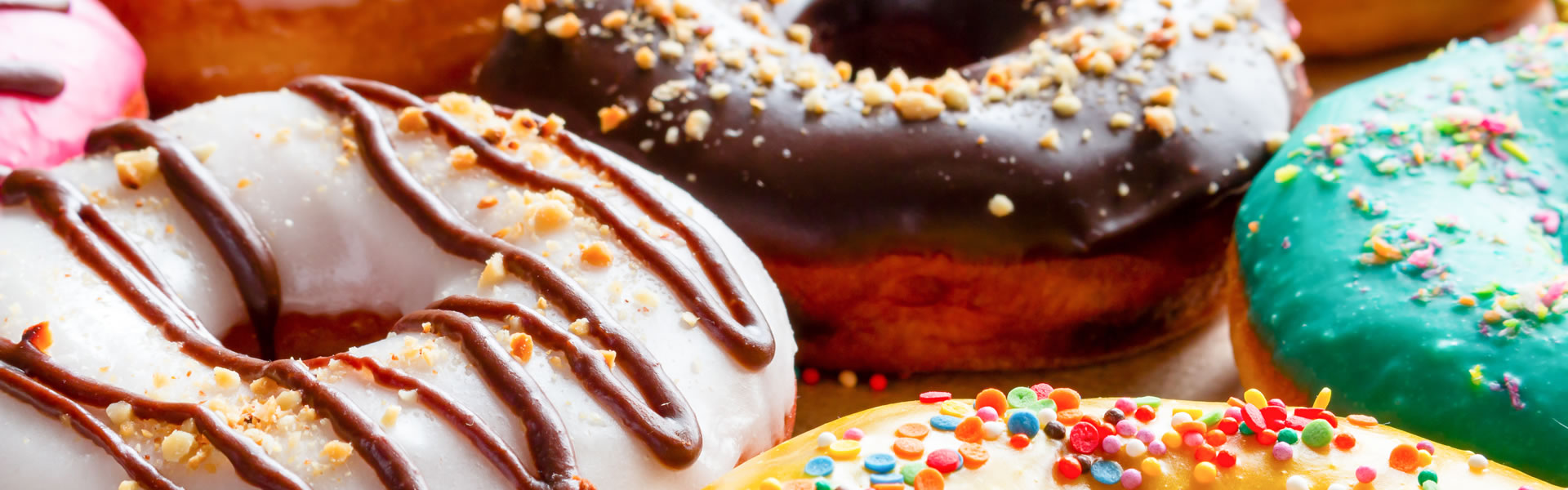
  • If you’re finding yourself constantly tempted by little treats, like doughnuts or biscuits in the office, your kid’s leftovers, or whipped cream on your Starbucks order, it’s time to be a little stricter. We know, we know, no one likes feeling deprived but at some point, you’ve got to start saying no. That doesn’t mean you can’t enjoy a doughnut ever again, it’s more about saying no to surprise calories that’ll throw your day off. By all means, plan to have a donut and figure out how you can fit it into your day, but those little extras that you’re eating without thinking? Pay attention and try and limit them.

You’re forgetting about portion sizes

Think about binge eating and you’ll probably picture masses of crisps, chocolate, and junk food. But you can overeat healthier foods too if you’re not keeping an eye on how much you’re eating.

We know it can feel like a hassle to measure what you eat, but until you get familiar with what healthy serving sizes look like, using a kitchen scale to measure out your food is the best way to ensure you don’t take in excess calories.

Check your calorie counting app for how many calories you want to spend on a food before you cook, and then measure things like pasta and rice (either dry or cooked) to make sure you’re not eating too much.

You’re forgetting about drinks

If you’ve got a pop habit, taking the often difficult step of cutting it out (or at least reducing how many cans you drink a day) can lead to a significant calorie saving. A 330ml can of Coca Cola is 139 calories, so you can see how easily the calories stack up if you have more than 1 can a day. A can of Coke Zero is 0 calories, although we admit it can be difficult to get used to the taste.

What about other drinks? Flavoured water, energy drinks, cafe coffees on the way to work? They’re all easy to forget about, especially if you automatically assume drinks aren’t high in calories (some are!)

The solution:

  • Read the labels or check nutrition facts online before you order
  • Go for sugar-free where you can
  • If in doubt, stick to water!

You’re eating out too much

We all love eating at a restaurant (we’re big fans of drive-thru too), but it’s harder to stay in control of your weight loss when you’re eating out regularly. You can find nutritional information for many places online, but most things will tend to be higher in calories than what you’d make at home because they won’t be shy when it comes to cooking with oil, deep frying, and using creamy ingredients.

Try and make more meals at home if you can. You don’t need to spend hours in the kitchen to make delicious, nutritious meals, and making things yourself is the only real way to control exactly what goes into your meals.

Your expectations are too high

Maybe you are losing weight, but it’s not as quick as you’d like. It would be amazing if weight loss was easy and quick, and you were dropping 5 or 6lbs every week. Sometimes that does happen, especially in the early days, but sometimes even shifting 1lb can feel like a battle.

The truth is that the body is a weird thing, and sometimes you can do everything right and still find you’re disappointed when your weigh day comes around.

  • If you’re losing half a pound or a pound every week but you feel like you’re not losing weight, you are! It doesn’t sound like much, but half a pound off still makes you lighter than you were last week, and it all adds up.
  • It gets harder to hit those big numbers every week as you get closer to your goal weight, so if you’re thinking that the last 10lbs you have to lose are so much harder than the 60lbs you lost before it, you’d be right.
  • It’s not impossible to do, but it does take a little more effort than when you were at your heaviest and your body was only too happy to start dropping the weight. Reassess your goals and your calorie allowance and keep going.

The most important thing to do if you feel like you’re not losing weight is to not give up. Every step towards a healthier lifestyle is a step towards achieving your goals, even if you’re not seeing it reflected on the scales. Keep going and you will see results, even if it takes longer than you’d anticipated.


Getting back into a weight loss routine

It’s all too easy to fall off the wagon, especially after you’ve had a long break from building your healthier habits. Whether you’ve had a bout of low motivation, have been on holiday, or just had some life stuff going on (it happens), put it all behind you and get back into a routine. Here’s how.

Start small

Don’t try and do everything at once. You know what you need to do to start losing weight again: eat better, watch your portion sizes, and get a bit more active. We’re not talking about killing yourself in the gym or restricting what you eat here. Think about what small, achievable goals you can start doing: take a daily walk or swap a snack for something a little healthier.

Wean yourself off

If you’ve got junk food lying around that’s make it difficult to cut back on high calorie foods, wean yourself off it. As tempting as it is, don’t immediately throw all that junk food in the garbage, because you’ll probably feel very hard done by (also who can afford to be throwing food away in this economy?!)

If sweets, chocolate, or crisps are your weaknesses, portion them out into food bags and enjoy them as a calorie-controlled treat.

Gradually do more to incorporate healthier habits into your life. If you’re ordering a takeaway too often, make a pact with yourself to cook at home twice a week and give yourself a pass on the days when a takeaway feels like the only option. Then add more and more homecooked meals until you feel like you’re back in control.

Find something you enjoy

When you enjoy what you’re doing, it’s much less likely to feel like a chore. This is especially true when it comes exercise, so put the effort into finding something you’ll enjoy, whether it’s dancing, swimming, cycling, or hiking.

Avoid boredom

Boredom is another huge reason why we fall off the wagon, because we need something to hold our interest. Why would we continue to eat the healthy homecooked meals we pour our time and effort into when our head gets turned by a cheesy, easy, fast-food meal?

Mix things up. Try new recipes and recreate your favourite takeaway dishes to add some interest to your meals. The same goes for workouts – try something new!

Plan your meals ahead

Meal prep is a great way to stay on track. Planning what you’ll eat ahead of time can help you make healthier choices and avoid impulse decisions, so it’s worth a try to see if it works for your lifestyle. Prepare a batch of healthy meals or snacks on the weekend to have ready throughout the week.

Don’t beat yourself up

It’s normal to have setbacks when you’re trying to lose weight. Don’t let them derail you, instead try to learn from your mistakes and get back on track. Weight loss takes a lot of effort and time, so try and be patient with yourself. We know it’s frustrating, but if you keep chipping away at your goals you’ll get there.

Lean on your support system

Honestly, there’s no shame in struggling to get back in the swing of things. We’ve all been there, because this stuff’s hard. Talk about how you’re doing with your fellow MAN v FAT teammates, and you’ll soon find that we all have times when we struggle.

Sharing your experiences can boost your motivation, and the support and accountability you’ll get from your teammates is incredibly helpful for setting you back on the right path.


5 ways to bounce back from a binge

Binge eating is really common among men who are trying to lose weight. It’s likely there’s been a time where you’ve thought, why did I eat all that?! We’ve all been there, and while it can feel disheartening, there are ways to bounce back.

Stop the yo-yo

We overeat, or binge, then say, ‘diet starts Monday’ while feeling guilty or disappointed. Then we radically cut back to try and make up for it.

That can only go so far, and you’re bound to find that you can’t keep the restriction up for long. And when you can’t maintain the restriction, you reach for food for comfort – all the food! And then you’re back at square one.

Break this yo-yo cycle though by accepting when you’ve maybe eaten too much and try your best to simply move on, without placing unsustainable, unrealistic restrictions on yourself.

Get back to normal as soon as possible

It’s true that a new week is a fresh start that’s full of opportunity, and it can be liberating to say ‘the diet starts on Monday’, but instead of waiting, seize the day and don’t let a bad day spiral into several.

Each meal is a new opportunity to flex your healthy eating habits. If you had one flat tire you wouldn’t slash the other three. In the same way, don’t give up on your goal because of one setback.

Drink more water

Most of us are guilty of depriving our bodies of the water it needs to function. Does that ring true? Do you get your eight glasses of fluids in a day? Drinking more water will stop you from getting dehydrated, especially after a high salt binge, and it’ll help with your digestion too.

Get moving

When you’re feeling lethargic and full after binge eating, you’re probably going to want to just lie on the sofa doing nothing except possibly clutching your belly and wailing.

Although it’ll feel like the last thing you want, the best thing you can do is to get active.
Go for a walk and blow off the cobwebs. It doesn’t need to be an especially long walk but getting yourself out of the house will take your mind off that uncomfortable full feeling and will help your body start to process all that excess food.

Cut yourself some slack

We’ve saved the most important for last. Don’t beat yourself up about the odd binge slip up. Changing your unhealthy eating habits is a monumental task and it’s not always going to be smooth sailing. Try to see it as an experience to learn from. Breaking a habit like bingeing takes time and effort to overcome.

See if you can work out if there are any triggers to your binge eating and that should put you in a good place to spot the next potential binge and try and stop it in its tracks.


The science of fighting fat

There’s a minefield of misinformation when it comes to diets and losing weight. Let’s help you navigate your way with the science behind weight loss.

Fat figures

A whopping 1 in 4 people in England now classified as obese, compared with 1 in 6 in the 1990s. 68% of men in England are now overweight too.

We know that being overweight makes us less healthy. A study published in Lancet Public Health shows a clear relationship between hospital admissions and body weight. But it also matters because being overweight makes many people unhappy.

A British Social Attitudes survey revealed that people who are overweight suffer significant stigma, and that 53% of the British public believe that most overweight people could lose weight if they tried. But the science shows that it’s not simply a matter of being weak-willed.

What’s the best diet, according to science?

When it comes down to it, the science of dieting is simple: eat fewer calories than you burn. You can do it with a low-fat diet (like the raw food diet), or a low-carb diet (like the Atkins or paleo diet). But the problem with diets is not so much losing weight, but finding a way that your weight doesn’t rocket up again the minute you stop dieting.

The best diet according to all the science and research is one that is effective, sustainable, safe and fits in with your lifestyle.

Verdict: Try a supervised diet programme to help you make lifestyle changes you can sustain and that will help you safely shed excess weight.

Do crash diets work?

Advice from the NHS is that “crash diets make you feel very unwell and unable to function properly… crash diets can lead to long-term poor health”.

The thing is, maintaining a healthy nutritional balance while restricting yourself massively can be a problem.

You might lose weight rapidly, but you’ll pile it back on equally fast when you return to a realistic eating pattern. Don’t starve yourself! Feeling full is key to successful weight loss efforts. Your brain responds to hormones and nutrients that are released from your gut into your blood. Eating a diet high in protein will help you feel fuller for longer, which helps your weight loss efforts as protein takes longer for your body to breakdown.

Verdict: Crash diets aren’t nutritionally balanced and will make you feel awful.

Do intermittent fasting diets work?

Intermittent fasting diets like the 5:2 diet are very popular. This is where you eat what you want some days a week and then eat very little on other days, typically fasting until a certain time of day. There’s no research to say it’s dangerous, and over the course of the week you will reduce the calories you’re consuming, but it might not be the right fit for you. There are other ways to do it that might be more sustainable for you and lead to overall healthier, balanced eating.

Verdict: Intermittent fasting is no more effective than other calorie-restricted diets, but if it fits in with your lifestyle it can be a good choice. Just take care to make sure you’re getting all the nutrients your body needs.

Can you be fat and fit?

This interesting question has been all the rage for the past few decades. In the UK, the general belief is that food intake is more important than exercise for losing weight.

A recent study of 3.5 million GP records by the University of Birmingham found that ‘healthy’ obese people, who had normal blood pressure and cholesterol levels, were still at higher risk of serious disease than healthy people of normal weight. The obese people had 49% increased risk of coronary heart disease, 7% increased risk of stroke, and 96% increased risk of heart failure.

Verdict: Obese people with healthy blood pressure and cholesterol still have an increased risk of heart problems and strokes.


How to cut calories without realising it

When you’re trying to lose weight, calorie counting is a great way to do it. But even so, it can feel daunting to figure out where you can cut cals in your diet. That’s why we like these switches – ways to cut calories without any of the effort.

Skip the butter

It’s delicious, but you don’t need to add butter to everything. Buttery toast is one of life’s little joys, but sometimes butter is completely masked by other flavors, and it’s in these cases you should consider skipping it. A tbsp of butter is 100 calories, which is a significant saving if you’re not tasting it.

…Or find an alternative

Ok, so sometimes butter is needed. Sandwiches, for example, are pretty dry without it, but you could use mashed avocado for a creamy alternative.

The calories in avocado can be high depending on how much you use, but avocados have other great things going for them, making them a perfect alternative to butter:

  • High in omega 3
  • High in monounsaturated fatty acids (that’s the good kind)
  • High in potassium
  • Shown to lower cholesterol levels

You could also go for hummus, coconut oil, or nut butter, but be sure to check the calories and keep an eye on how much you use.

Change up the takeout coffees

If you’re a Starbucks or Costa fan, your daily caffeine fix can come with a huge calorie price tag. We’re not saying you should stop treating yourself to coffees, rather be mindful of what you’re ordering.

A Starbucks grande white chocolate mocha, for example, is 345 calories. You could lower the calories by switching to a smaller size (a tall is 265 calories), or go for one of Starbucks’ lower-calorie options: a tall skinny vanilla latte (that’s a latte with sugar-free vanilla syrup and skimmed milk) is 107 calories (and a grande is 151 calories).

…And reduce your liquid calories

Put down the fruit juices and smoothies – they’re full of sugar and high in calories. If you love a glass of OJ, eat an actual orange instead for the added fiber bonus. Cut down on alcohol too, as it’s generally very high in calories.

You know soda isn’t the greatest choice, but sometimes it’s hard to beat. We get it. But one 330ml can of Coca-Cola is 139 calories, so keep them as the occasional treat, or switch to Coke Zero, which is (as you may have guessed), 0 calories. Does it taste the same? No, not really, but it’s still crisp and refreshing, and if you can get used to it as an alternative you could potentially save hundreds of calories a day (depending on how much Coke you drink, of course).

Spray your oil

Oil is very high in calories, so you’re probably already aware that you should use it sparingly. Still, sometimes you do need oil when cooking. Spray oil, also called cooking spray, is really low in calories (Frylight is ‘0 calories’ per ¼ second spray, although obviously if you spray more than that the calories are going to go up) and it’s an easy way to control how much oil you use.

Make your own sauces

Jarred sauces are super easy, but they can be high in calories. Sacla’s mascarpone and tomato pasta sauce is 159 calories per serving, which feels like a lot when you could make a simple sauce (tomato puree, tinned tomatoes, onions, garlic, basil) with fewer calories, and add in some mascarpone according to how many calories you’ve got spare.

Spotlight vegetables

You don’t need to replace spaghetti with zoodles (that’s noodle-shaped courgette) or to start grating cauliflower to use in place of rice – although if you do want to do that, go for it.

No, we’re just recommending that you start filling half your plate with vegetables before you add anything else. That’s it! This small change can make a big difference to the calories on your plate, as you cut down on the how much starchy carbs you have.

Keep easy-serve bags of vegetables in the freezer which you can use to easily bulk out meals.


Lose weight, Play Football

Secure your spot

MAN v FAT Football is for men with a BMI of 27.5 or over. Over 90% of players lose weight and get fitter, why not join them.

Contact

Email: football@manvfat.com

Phone: 0345 163 0042

Links

Social

© 2024 MAN v FAT Limited. All rights reserved.

Terms & Conditions  |  Feedback, Complaints & Session Cancellations  |  Privacy Policy  |  Cookie Policy

Privacy Settings
We use cookies to enhance your experience while using our website. If you are using our Services via a browser you can restrict, block or remove cookies through your web browser settings. We also use content and scripts from third parties that may use tracking technologies. You can selectively provide your consent below to allow such third party embeds. For complete information about the cookies we use, data we collect and how we process them, please check our Privacy Policy
Youtube
Consent to display content from - Youtube
Vimeo
Consent to display content from - Vimeo
Google Maps
Consent to display content from - Google